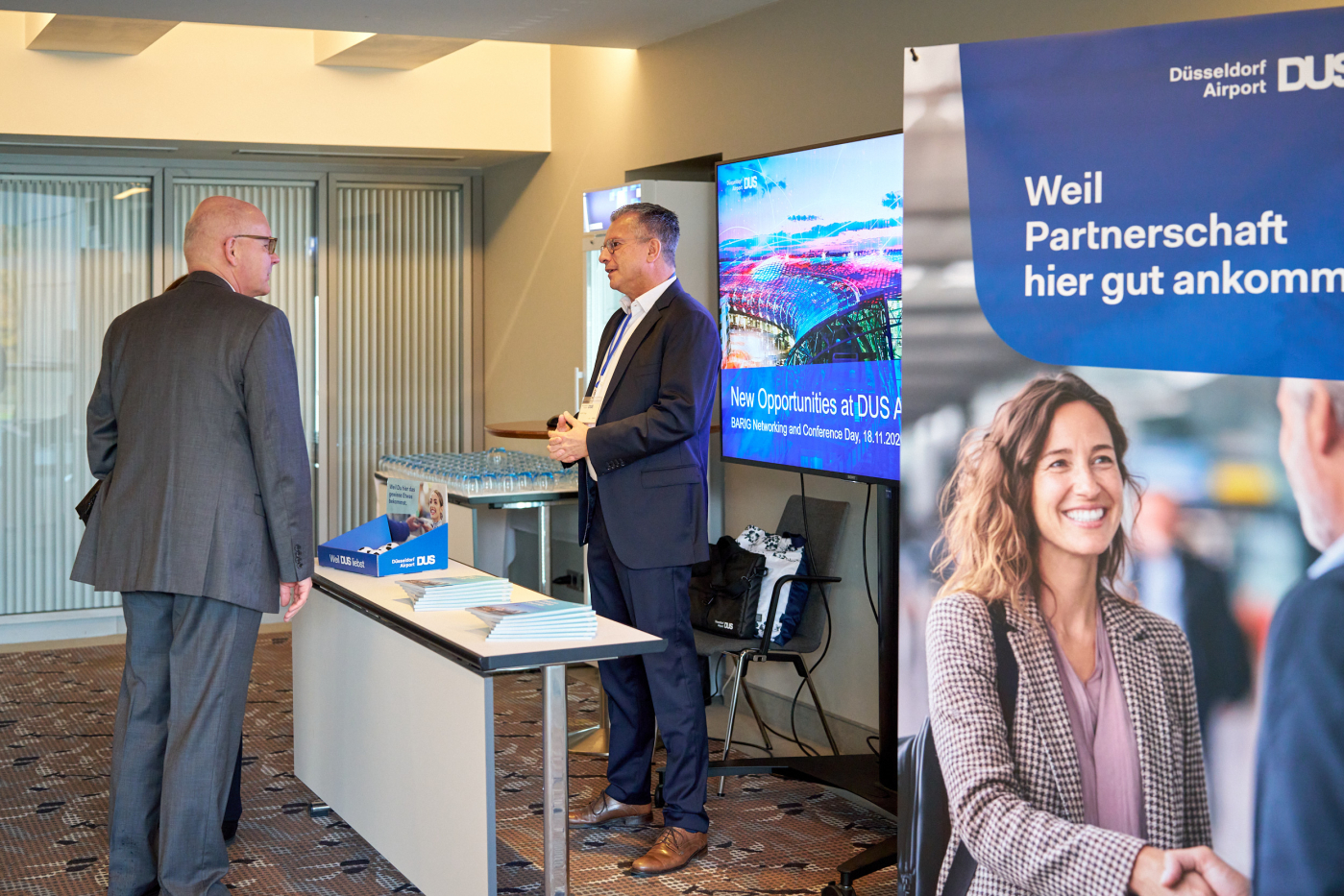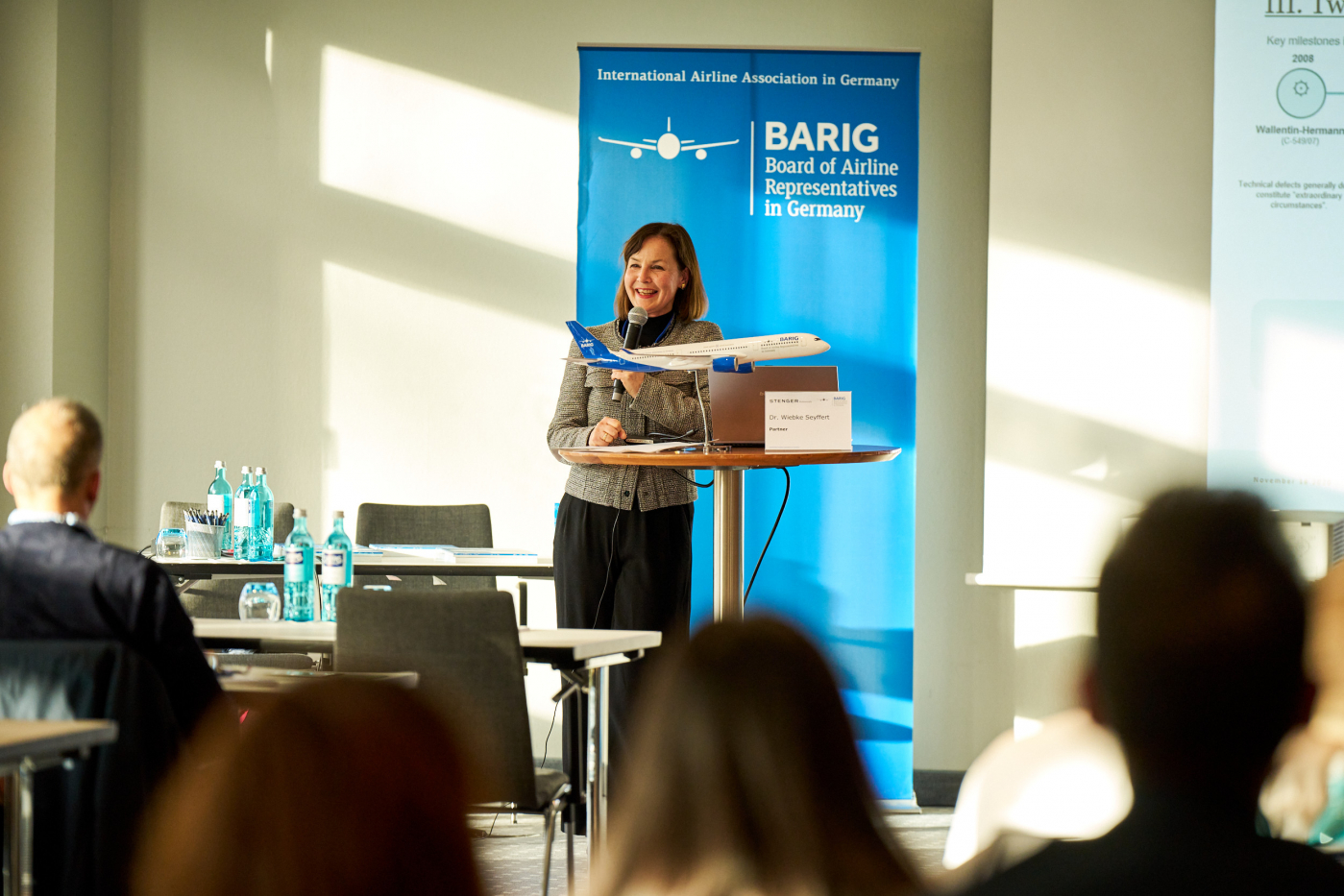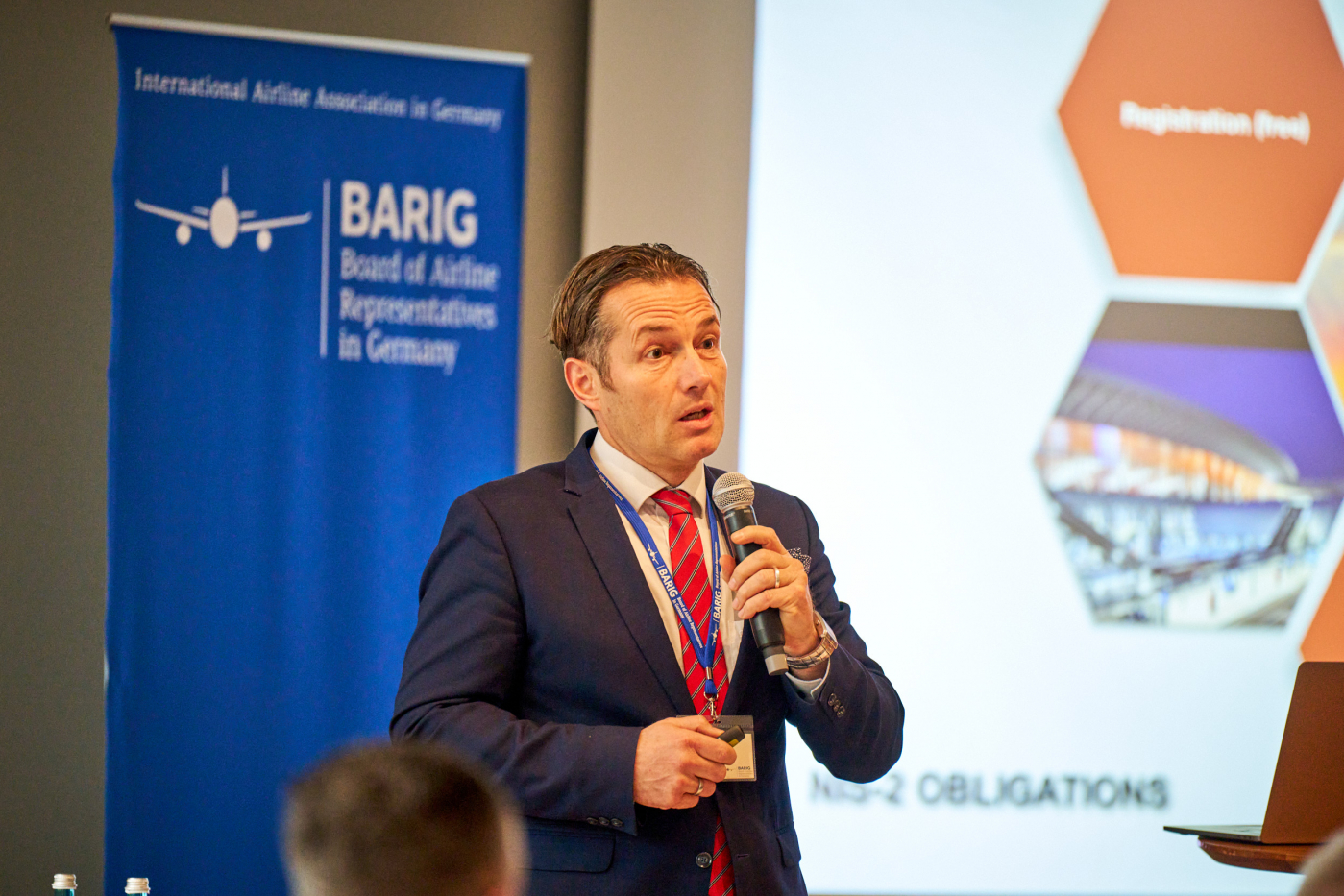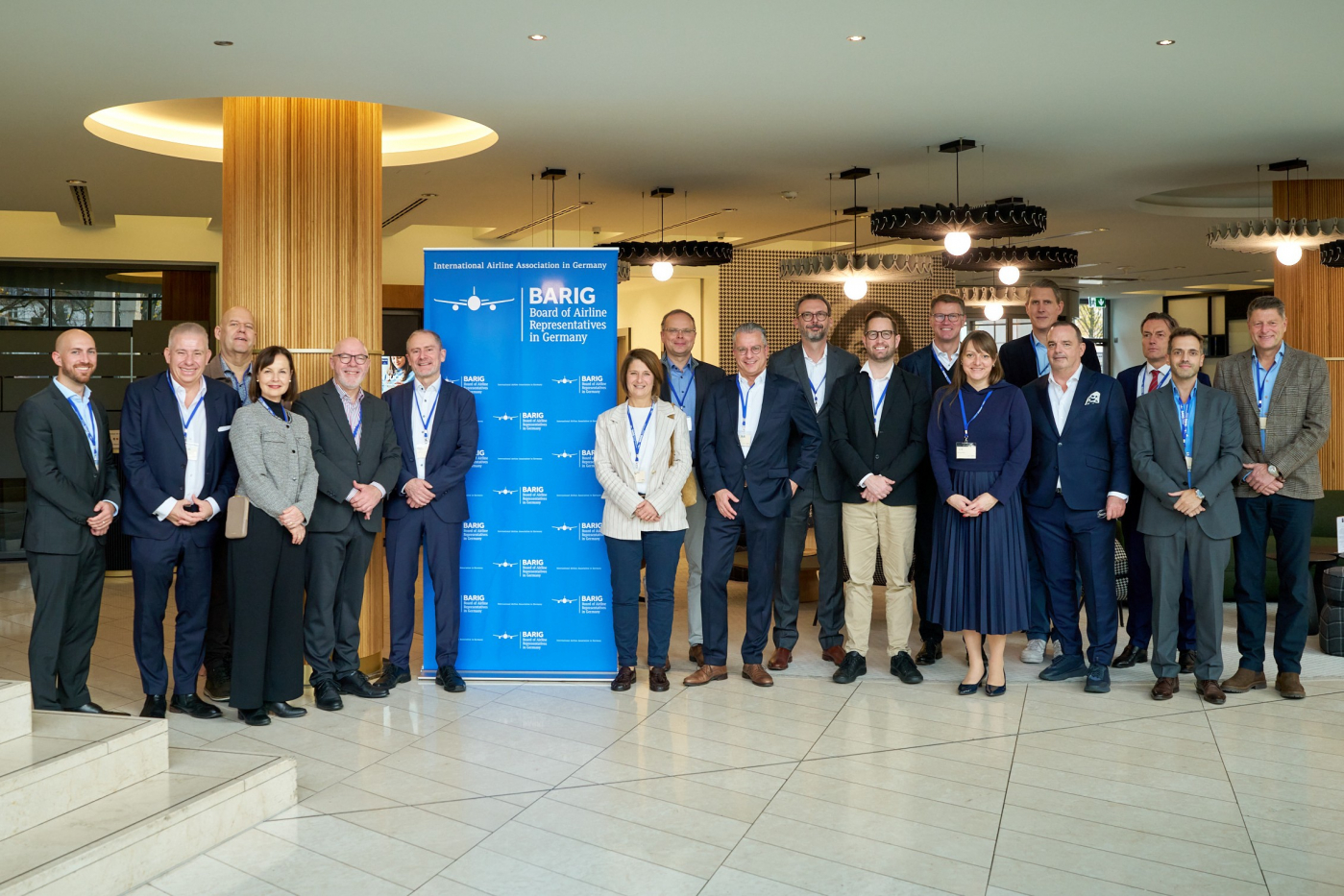
Consensus at the BARIG Networking & Conference Day: Aviation Industry Needs Cost Relief and Competitive Framework Conditions Once Again
• Around 100 high-level representatives from the aviation industry, related economic sectors, and politics discussed future prospects
Frankfurt am Main, November 25, 2026. Extremely high location costs and geopolitical developments: The aviation industry is still facing major challenges, particularly in Germany. Fundamental improvements to the political and economic framework are urgently needed to restore competitiveness.
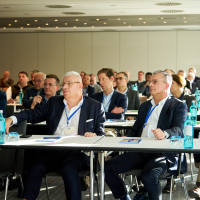
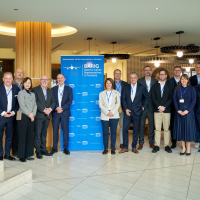
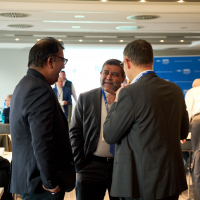
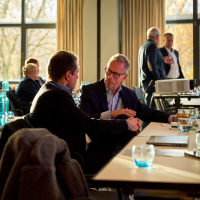
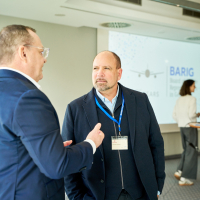
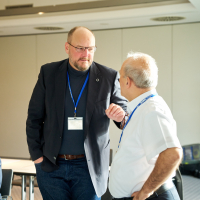
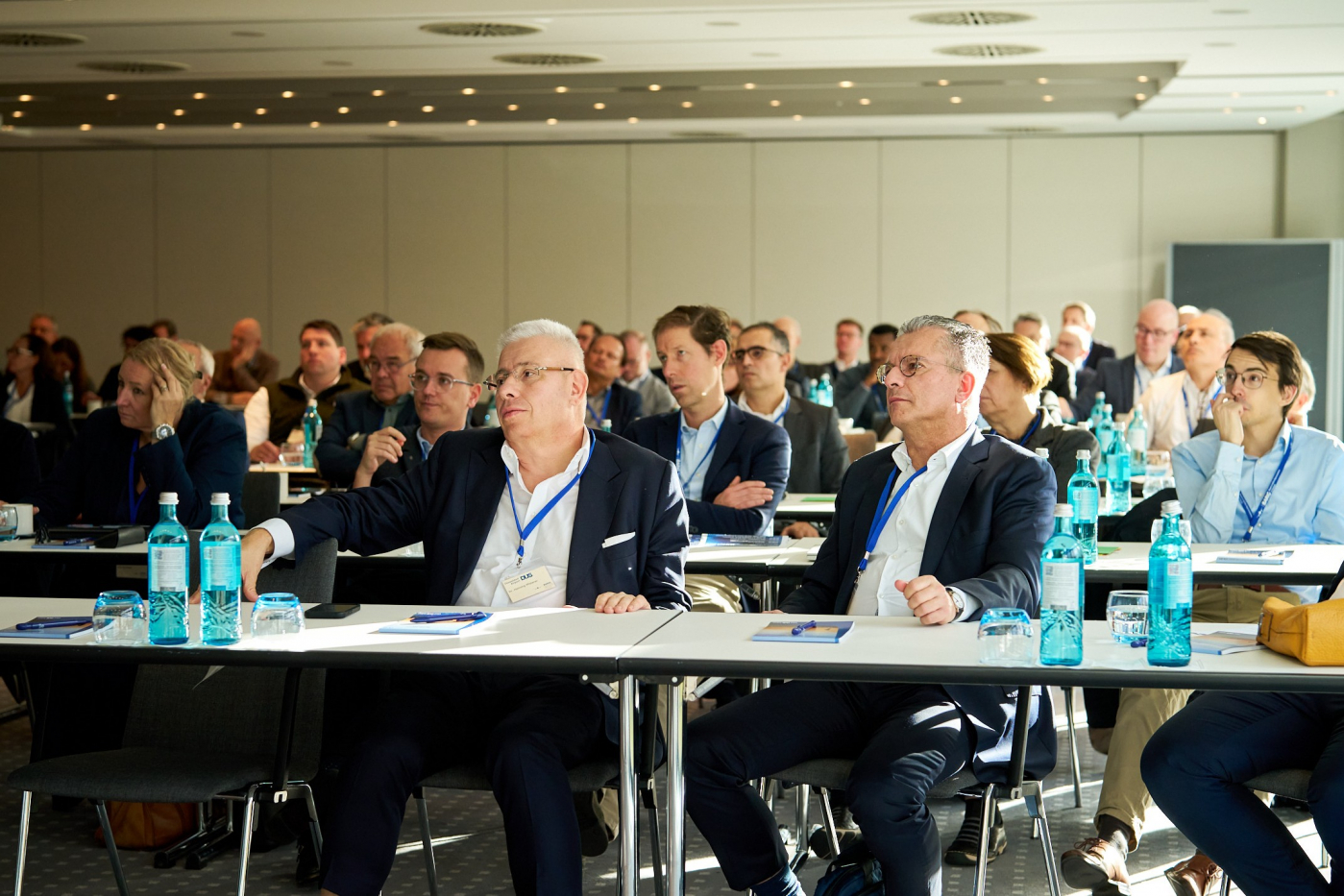
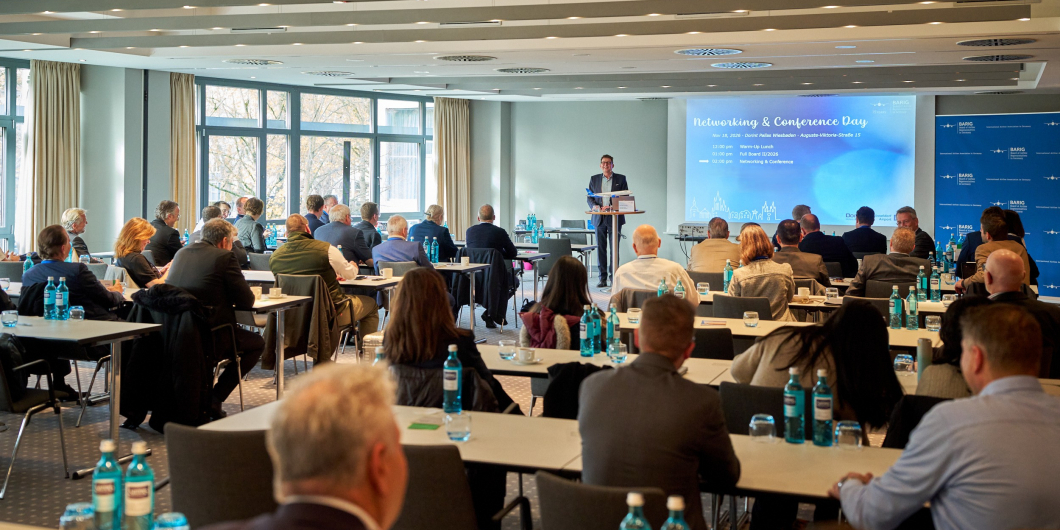
This was agreed by around 100 high-level representatives from airlines, politics, airports, and air cargo, as well as key industry partners, when they discussed future prospects at the BARIG Networking & Conference Day in Wiesbaden. There was also consensus that better location conditions and a significant reduction in state-imposed costs are needed. Only then can air traffic in Germany finally recover from the deficits caused by the COVID-19 pandemic. In many other countries, air travel has been booming for years, while Germany has barely reached 85 percent of its pre-crisis level. For industry experts, one thing is clear: Only a competitive aviation sector can serve its role as a driving force for the economy, trade, mobility, and job opportunities in Germany.
Cross-industrial dialogue is essential
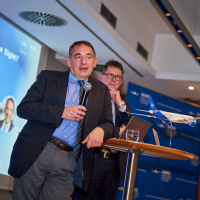
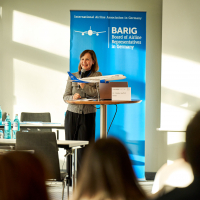
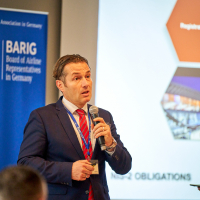
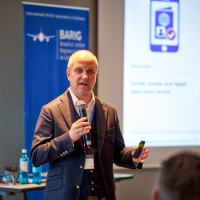
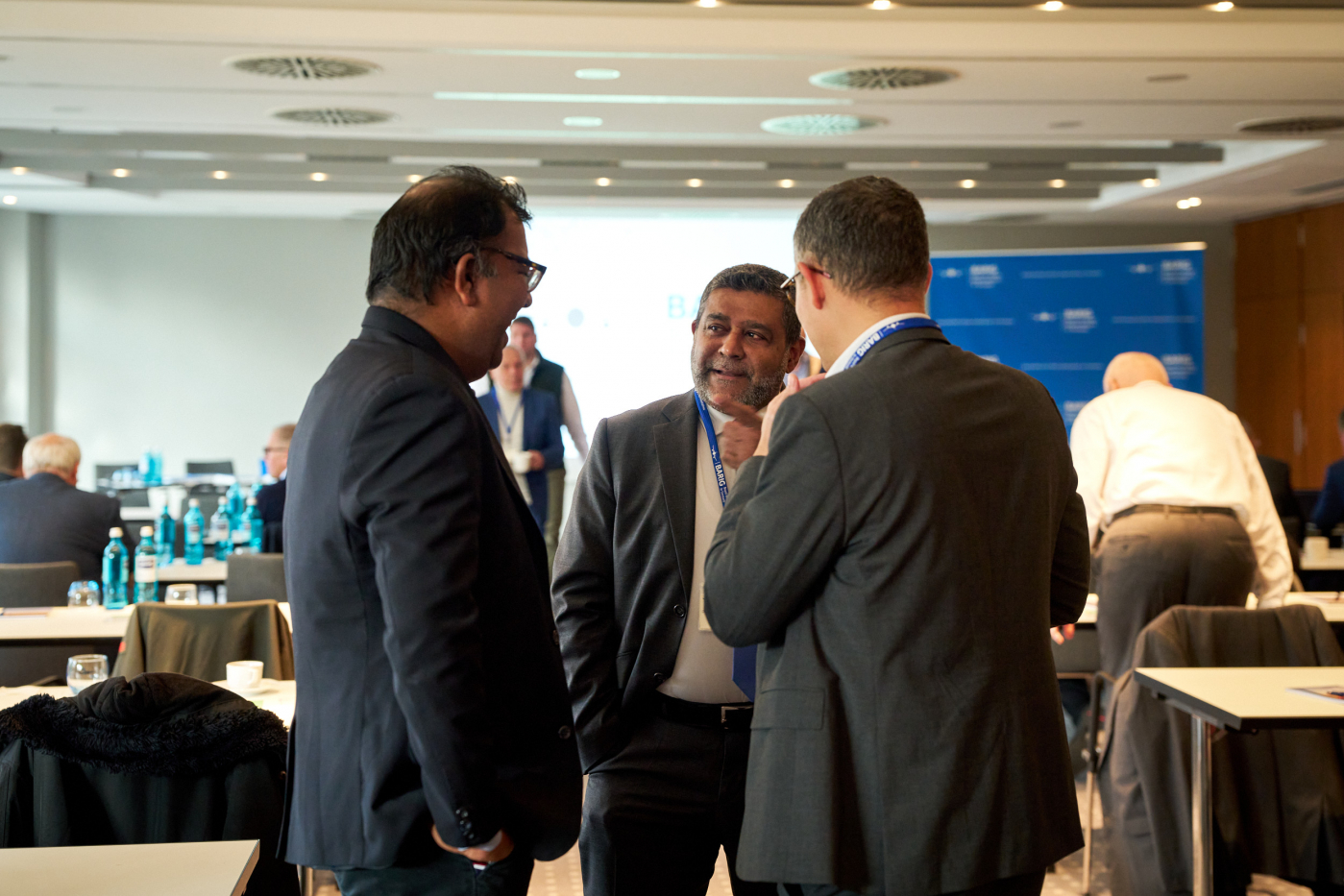
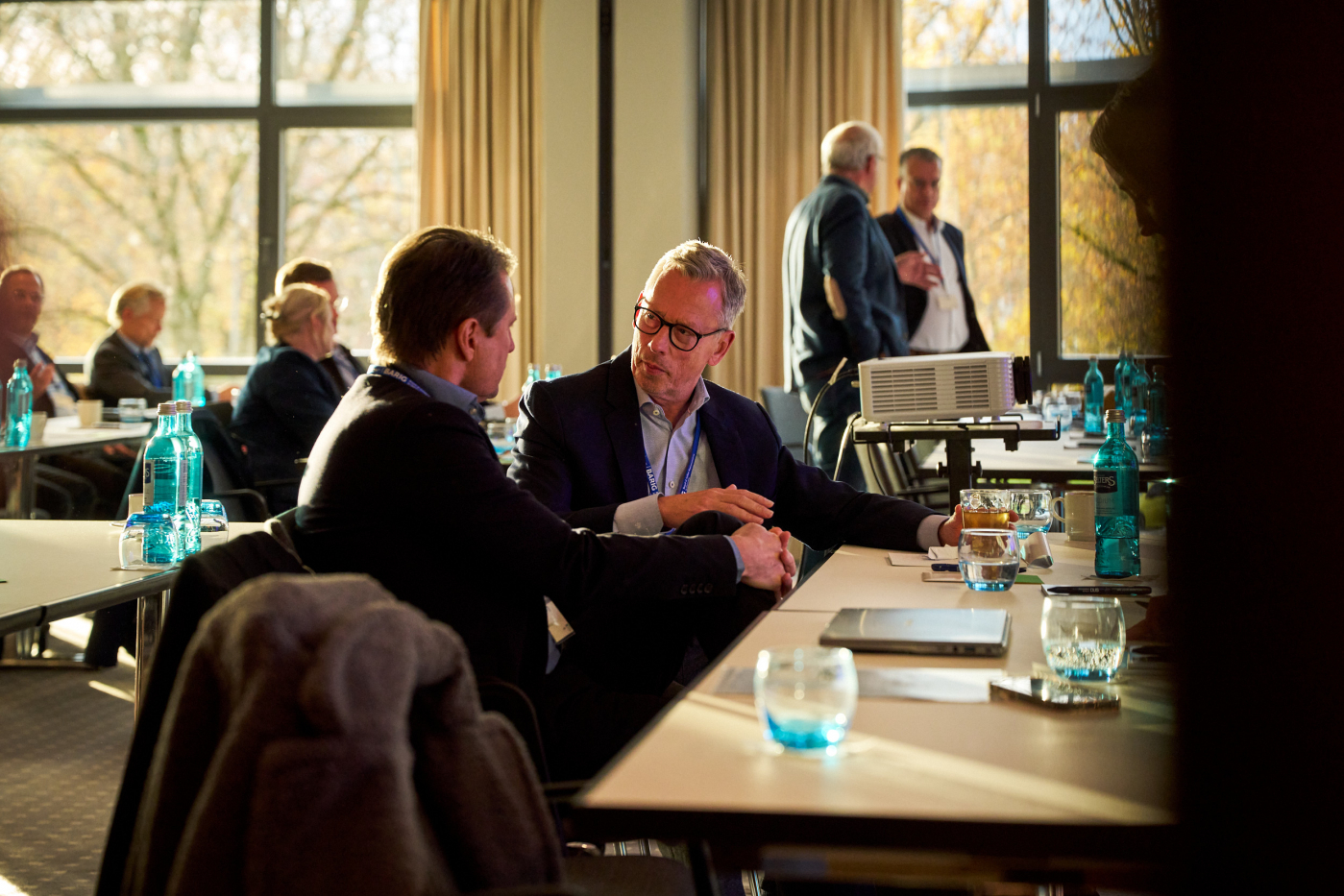
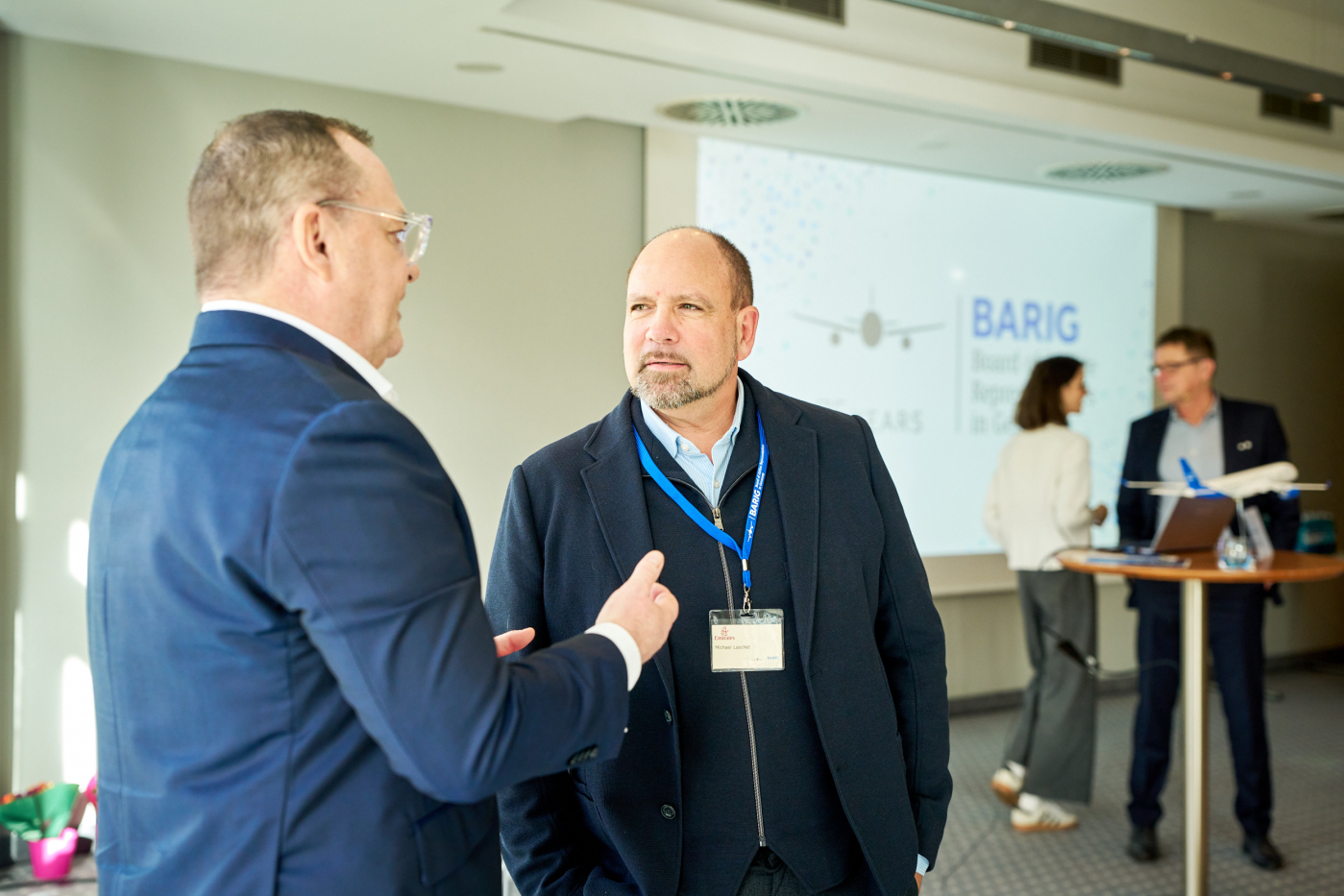
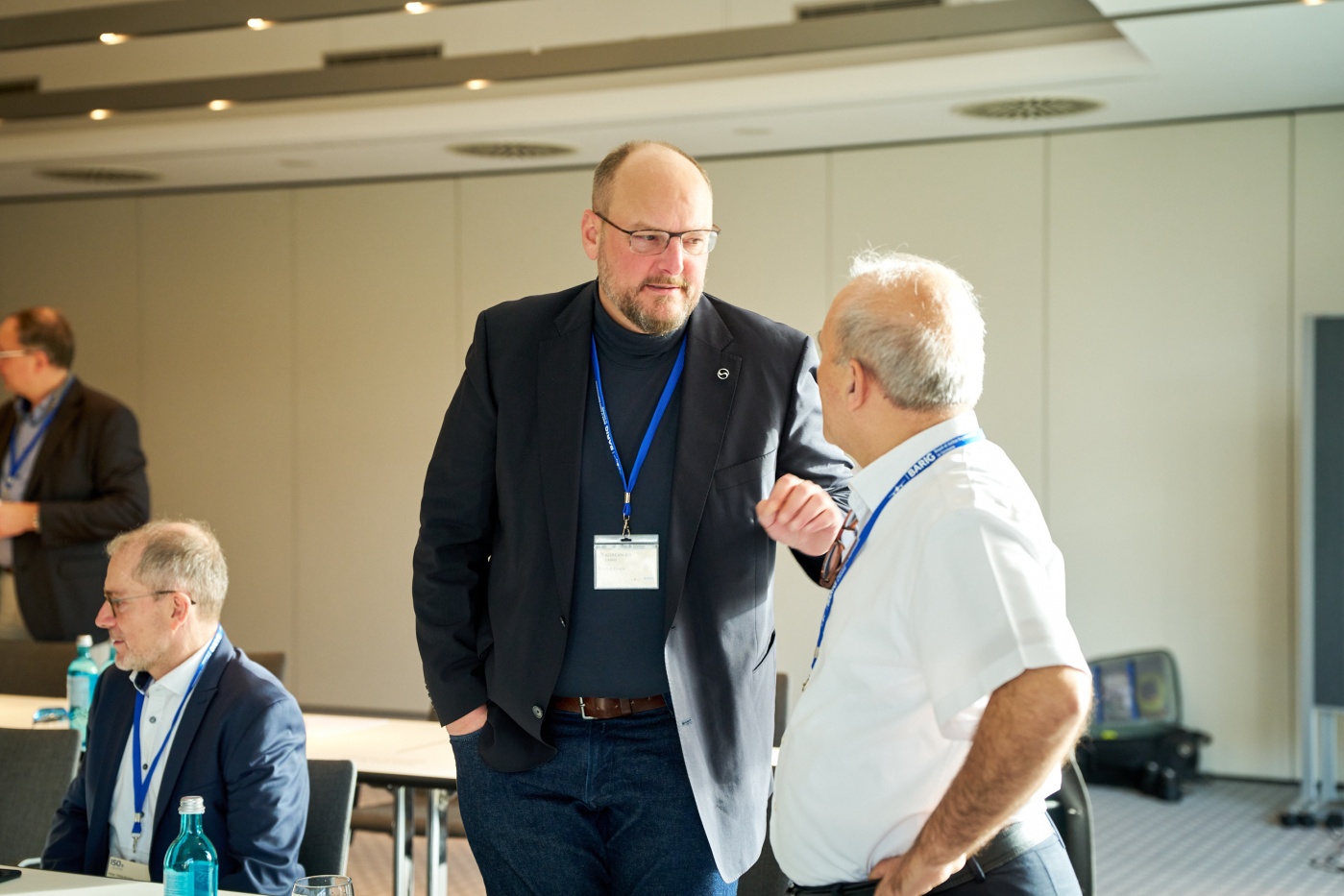
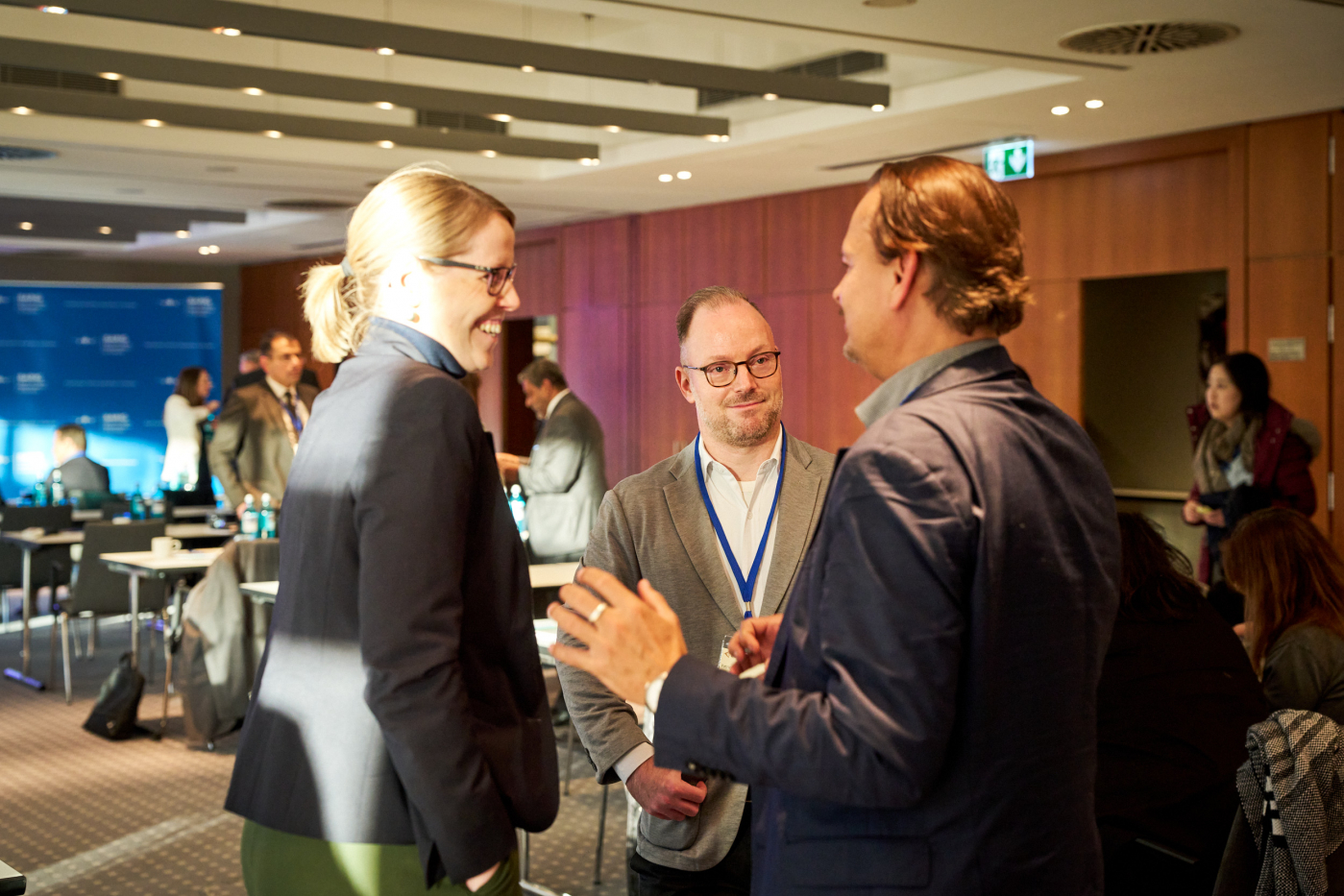
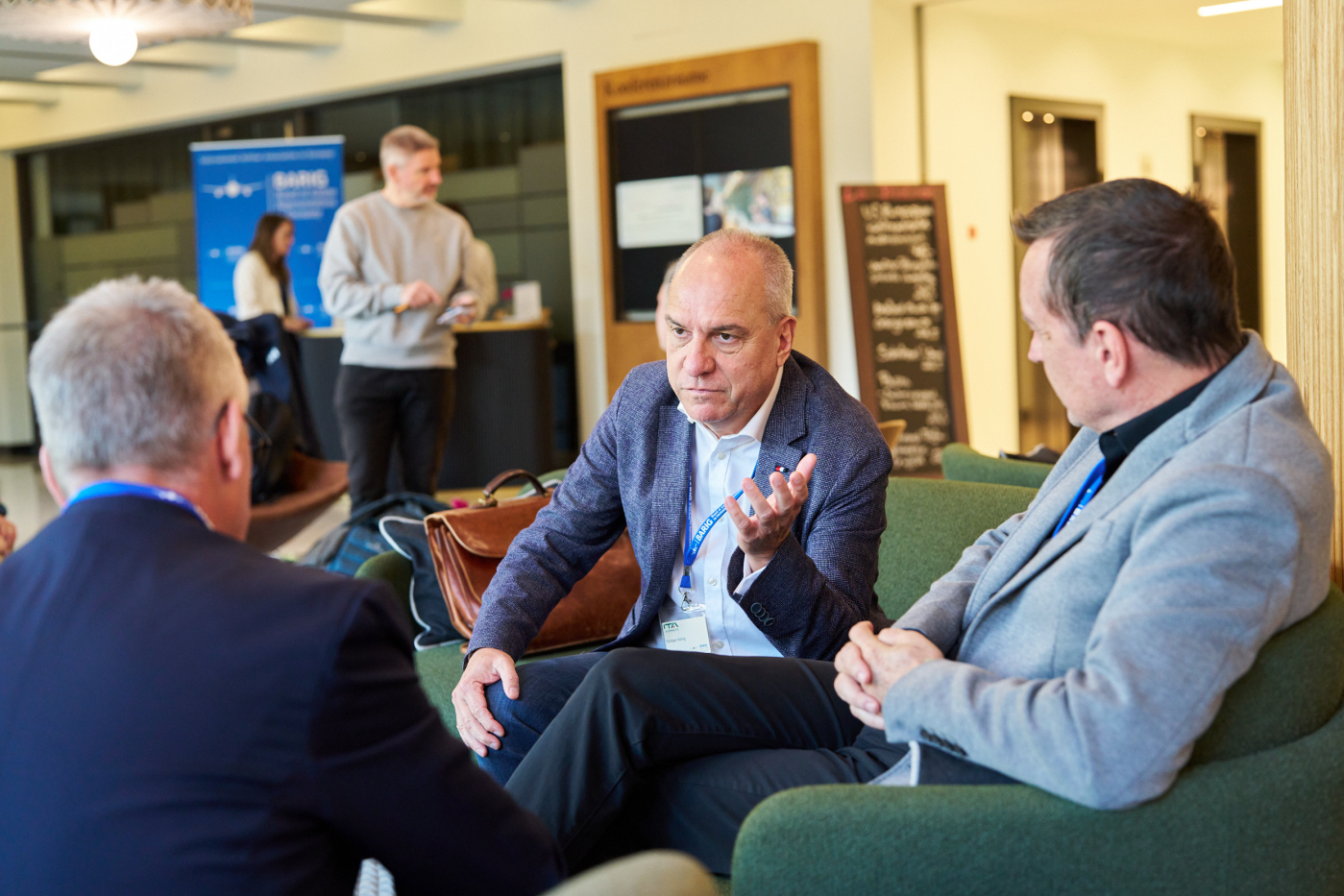
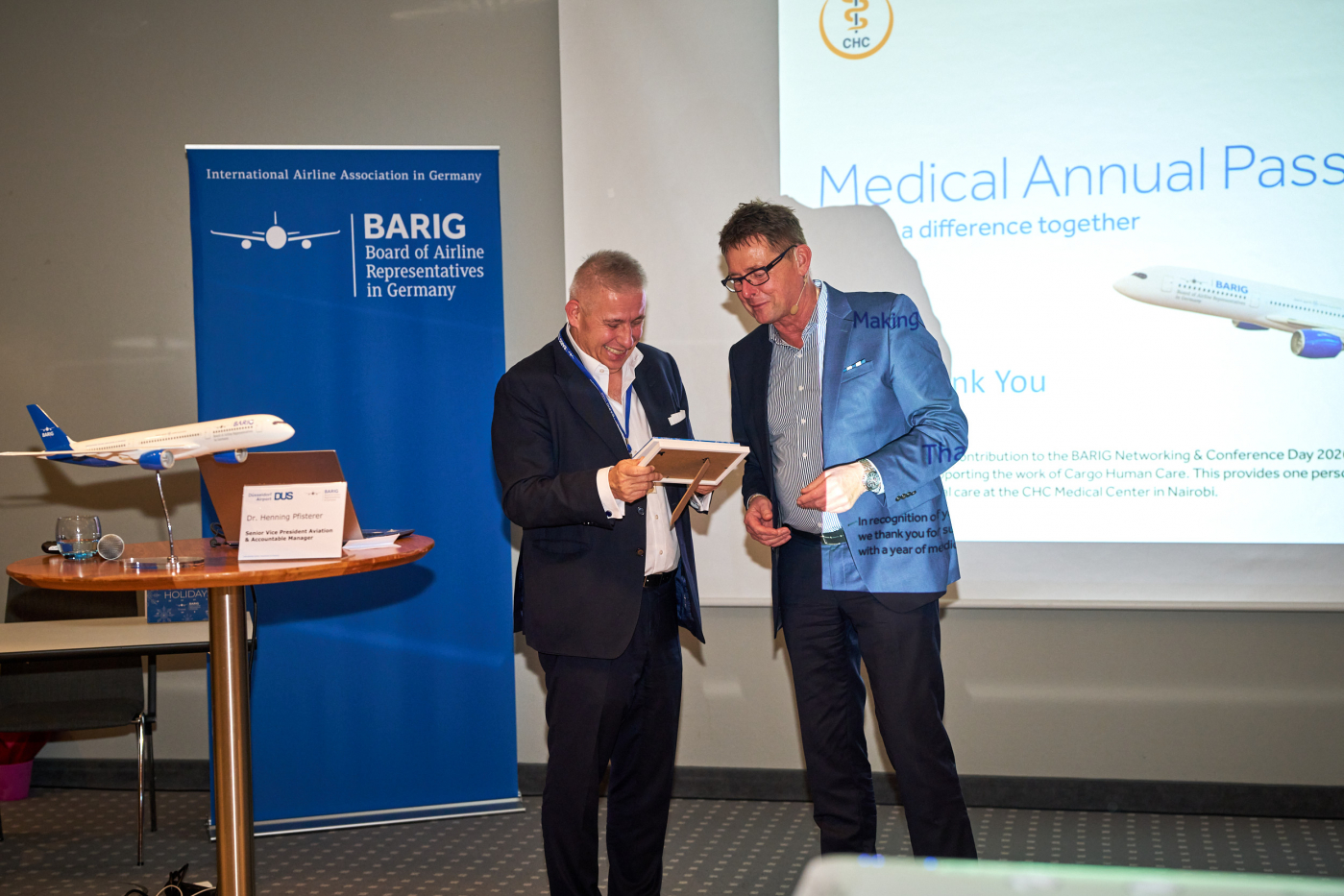
The Networking & Conference Day in Wiesbaden was already the second of its kind this year that was organized by the international airline association BARIG (Board of Airline Representatives in Germany) as a comprehensive platform for exchange and innovation. Michael Hoppe, BARIG Chairman and Executive Director, emphasized the great value of cross-industrial dialogue: “We really appreciate the great response to the BARIG Networking & Conference Day. Everyone involved values the constructive exchange between airlines, policymakers, airports, and our industry partners. We find ourselves in an environment marked by numerous challenges, and we quickly need to find joint solutions in order to sustainably strengthen Germany’s international competitiveness as an aviation hub.”
Economy needs a strong aviation industry
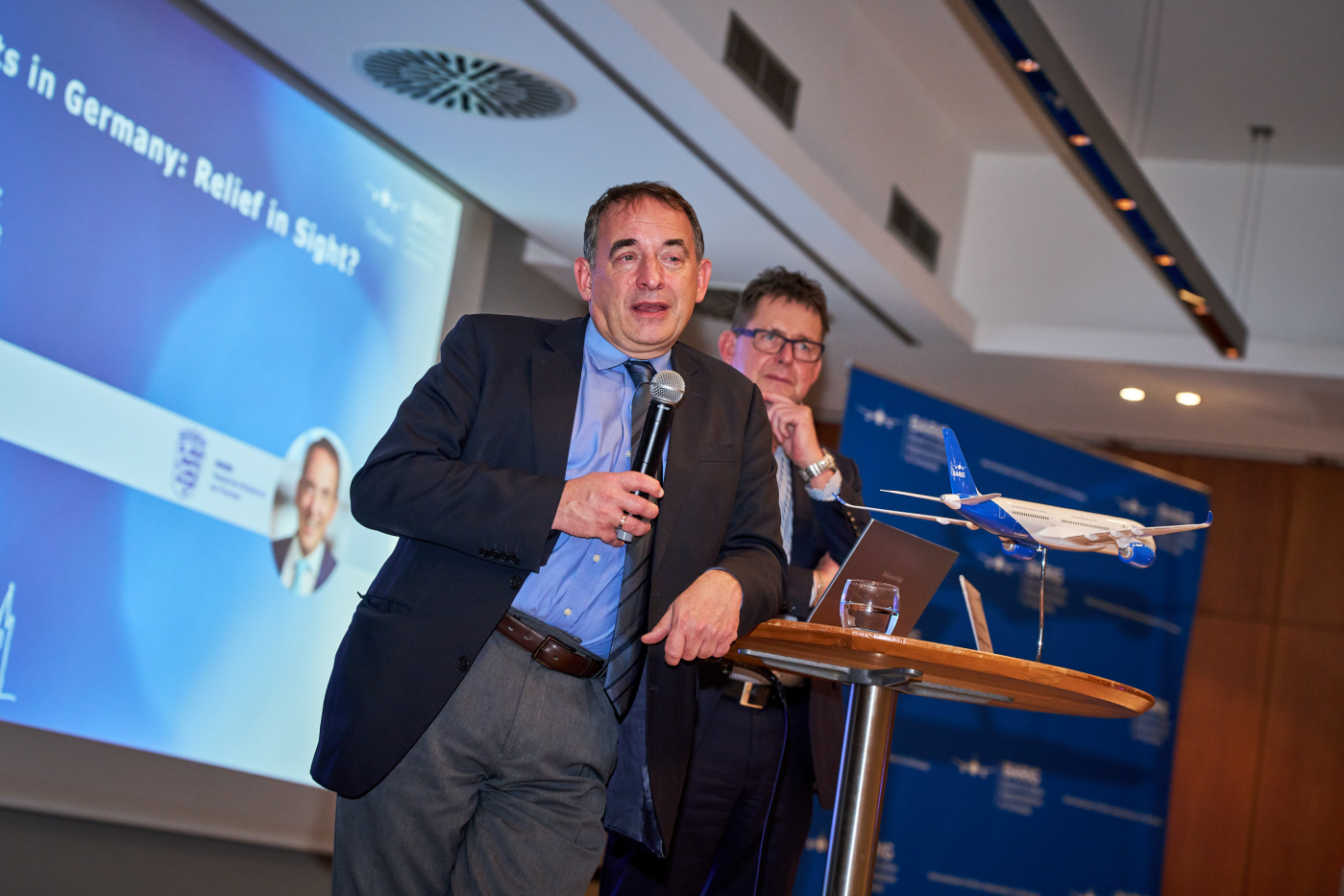
Professor Dr. R. Alexander Lorz, Hessian Minister of Finance and Chair of Fraport AG‘s Supervisory Board, pointed out the importance of a strong aviation sector for the economy and international connectivity: “A high-performing air transport industry is key to ensuring Germany’s competitiveness and global connectivity. This requires efficient procedures, reliable framework conditions, and an ongoing dialogue between policymakers and the industry. Events such as the BARIG Networking & Conference Day make a valuable contribution to this effort.”
Air cargo as a driver of international trade flows
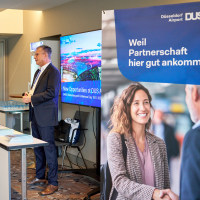
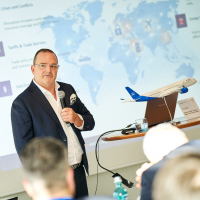
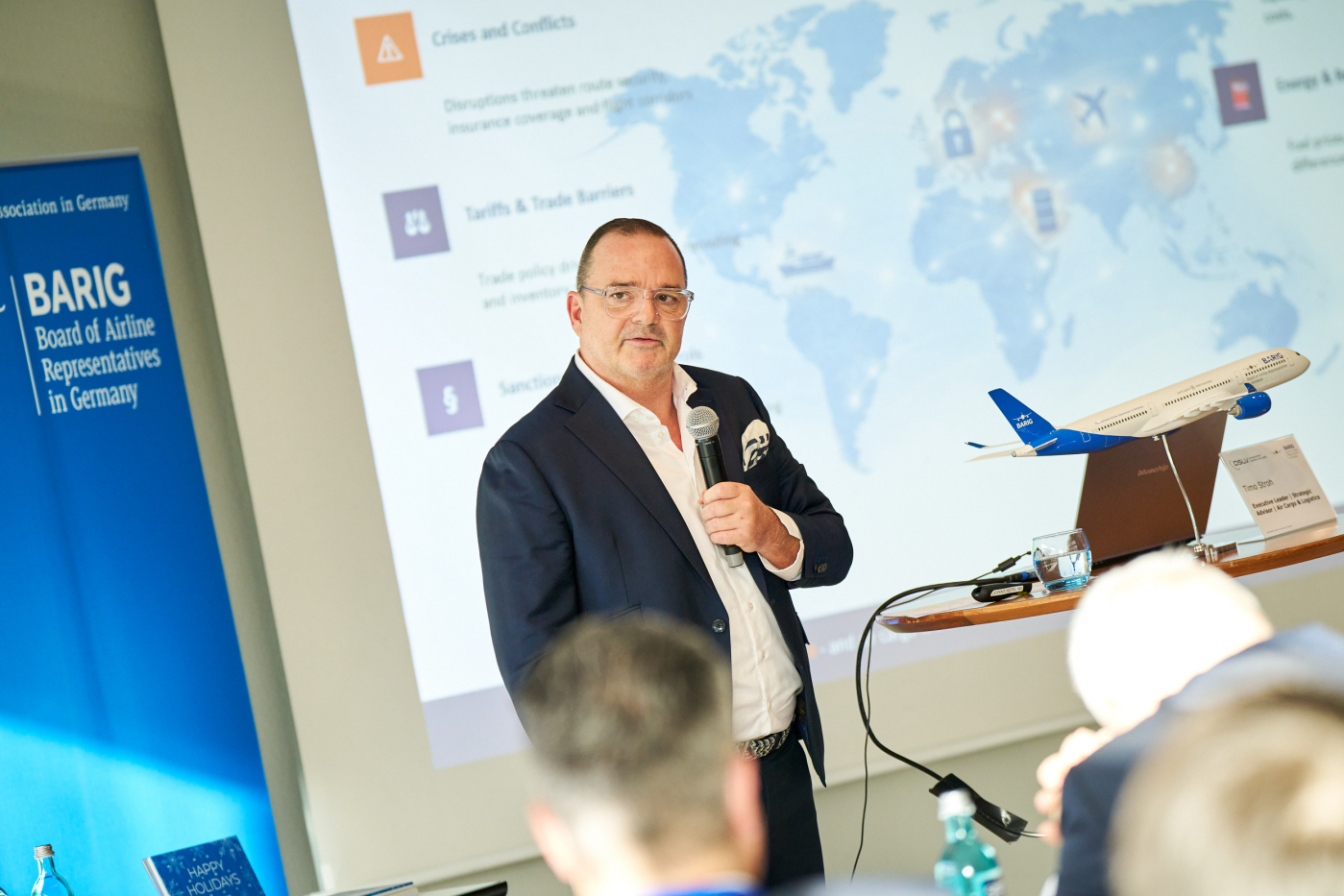
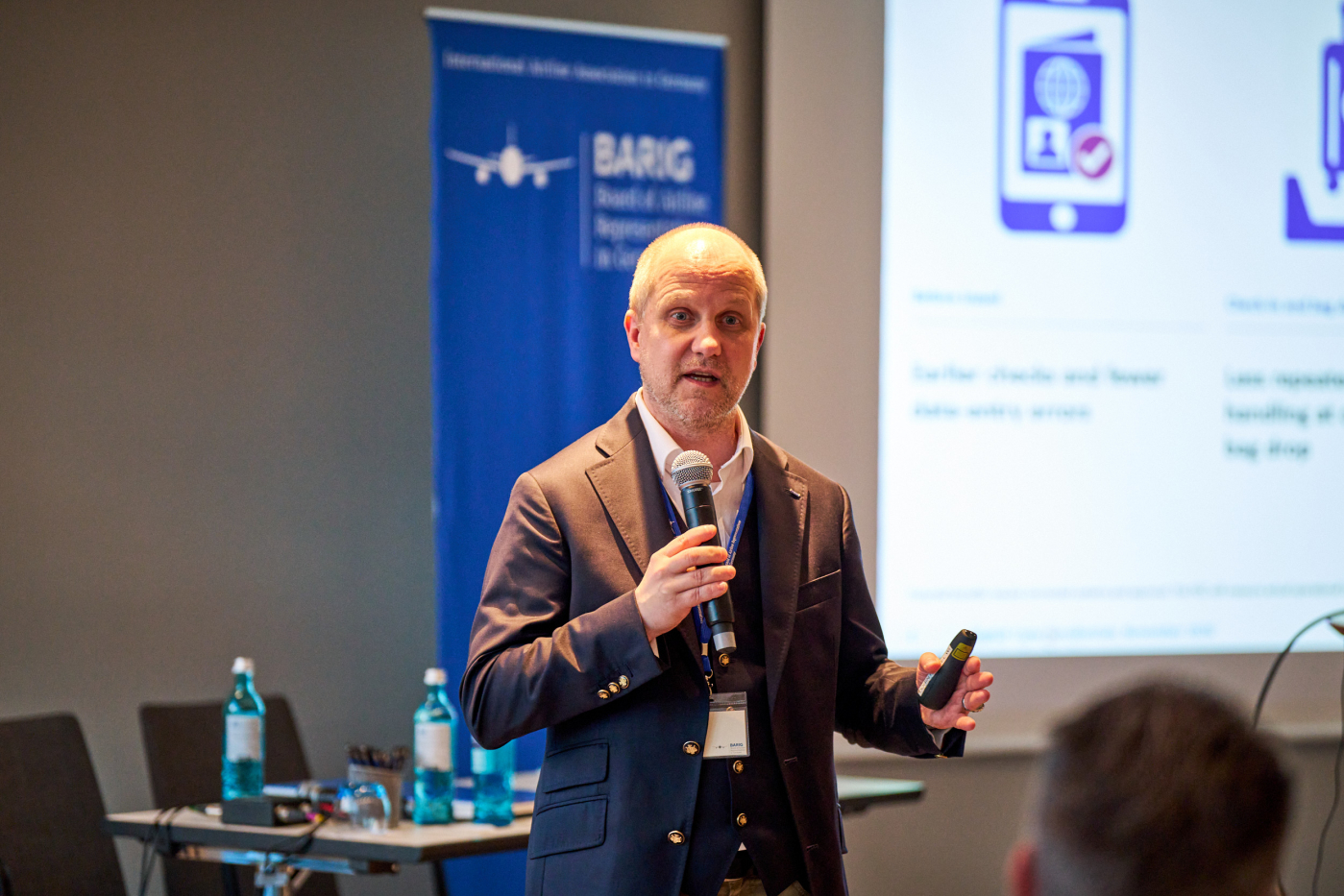
Global trade is closely intertwined with air transport. Geopolitical developments, shifting trade flows, and ongoing cost pressures are causing major challenges for the industry. In his keynote speech, Timo Stroh, long-time Chair of the Air Freight Committee at the DSLV Federal Association for Freight Forwarding and Logistic, highlighted the prospects for air cargo and the importance of resilient global supply chains: “Air cargo is far more than just the transport of goods. It connects international markets, ensures industrial value creation, and is a crucial component of resilient supply chains. To maintain Germany’s status as an attractive aviation and logistics hub in the long term, we need efficient and competitive airports, modern infrastructure, and reliable processes.”
Further current BARIG topics and news on aviation are available at www.barig.aero/en/news.